
Stories from Nature · Human-reviewed journal

Every observation has a story. Every story needs context.

Nature’s changes are not understood through data alone. They are also noticed in familiar places, remembered across generations and described by people who have learned to pay attention. Stories from Nature brings together field stories, observation guides and carefully contextualised articles about the changing natural world. Every published story remains under human editorial responsibility.

Human-reviewed before publication
Observations and evidence are separated
Sources are made visible
Uncertainty is stated openly

Why stories matter

Information becomes meaningful when people can connect with it.

Scientific reports and environmental datasets are essential, but they can feel distant from everyday life. A story can help people understand what a changing season, disappearing species or altered waterway means in a real place.

Stories from Nature connects personal observation with wider environmental context. The purpose is not to make dramatic claims. It is to help people notice, understand and ask better questions.

A story should deepen understanding—not exaggerate certainty.

Three ways to explore

Stories that connect people, places and knowledge

Each type of story has a different purpose, but all are reviewed under the same editorial principles.

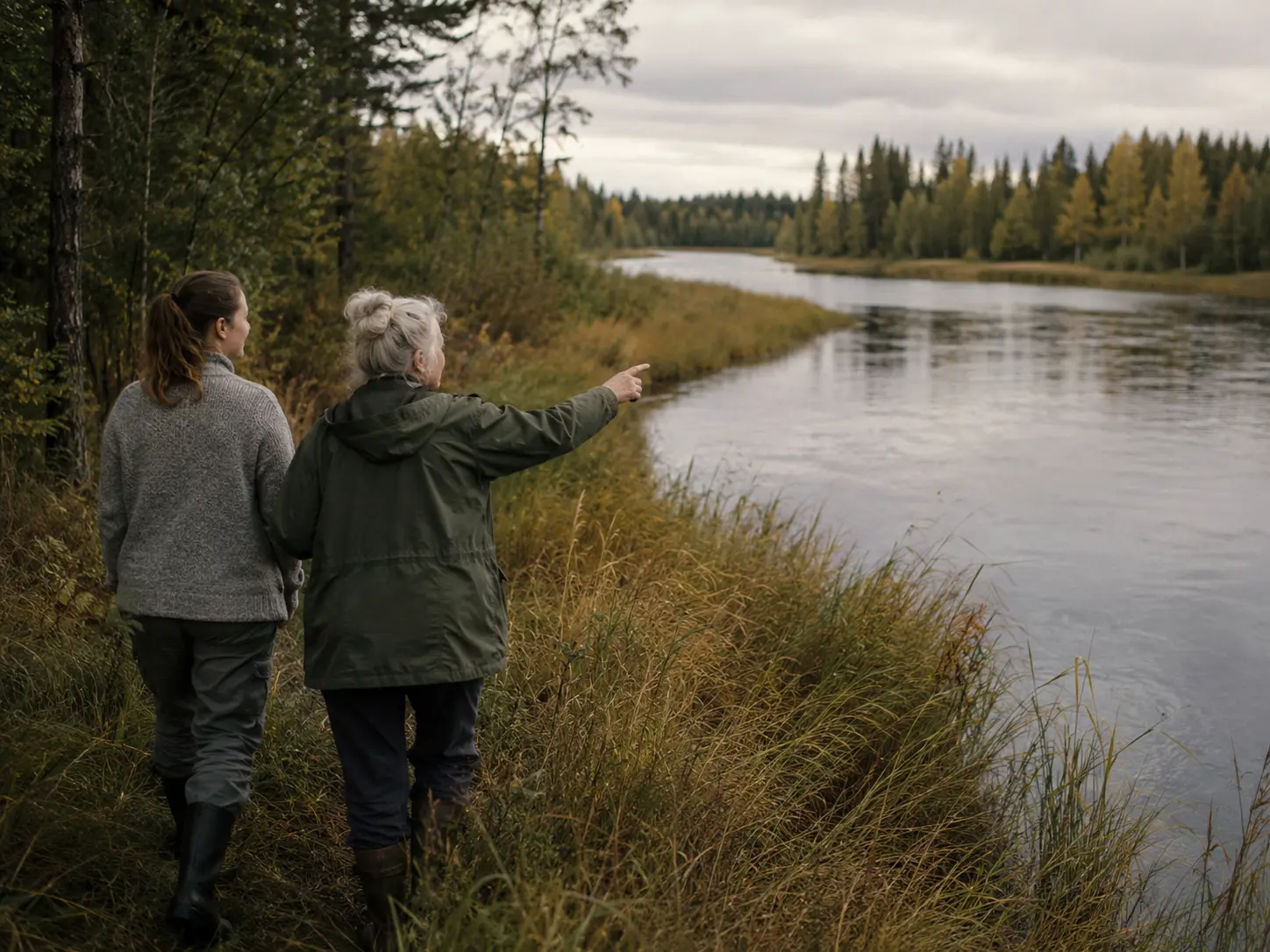
Two people sharing environmental memories beside a northern river

People and places

Field Stories

First-hand accounts of familiar landscapes, changing seasons and environmental memory—documented with care and placed in context.

Field stories will be published as the first Nature Signal Expedition documentation phase begins.

Discover the expedition
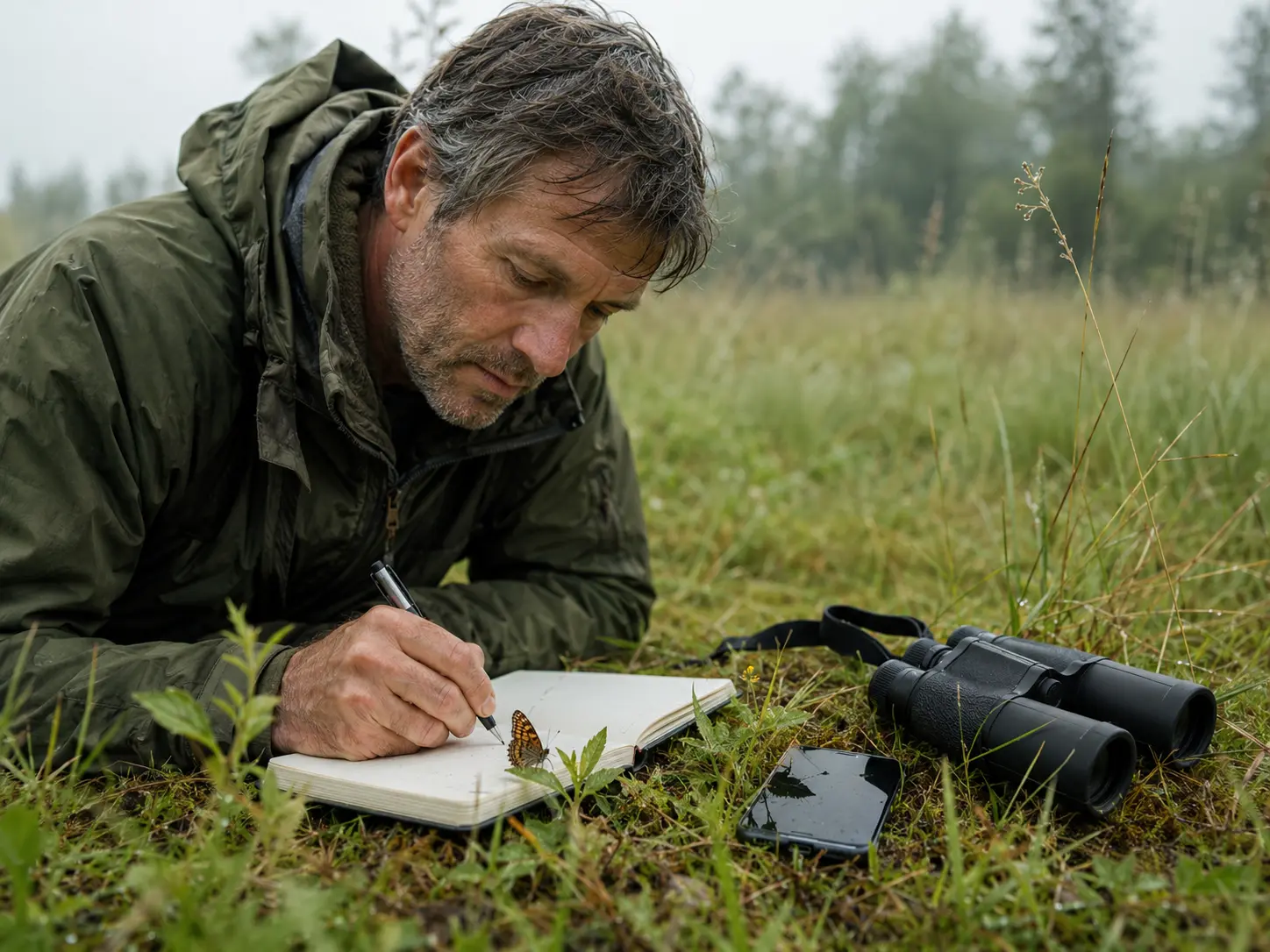
A nature observer documenting small details in a field notebook

Practical knowledge

Observation Guides

Clear guidance for noticing, documenting and describing environmental change without forcing an interpretation or conclusion.

Learn how to observe
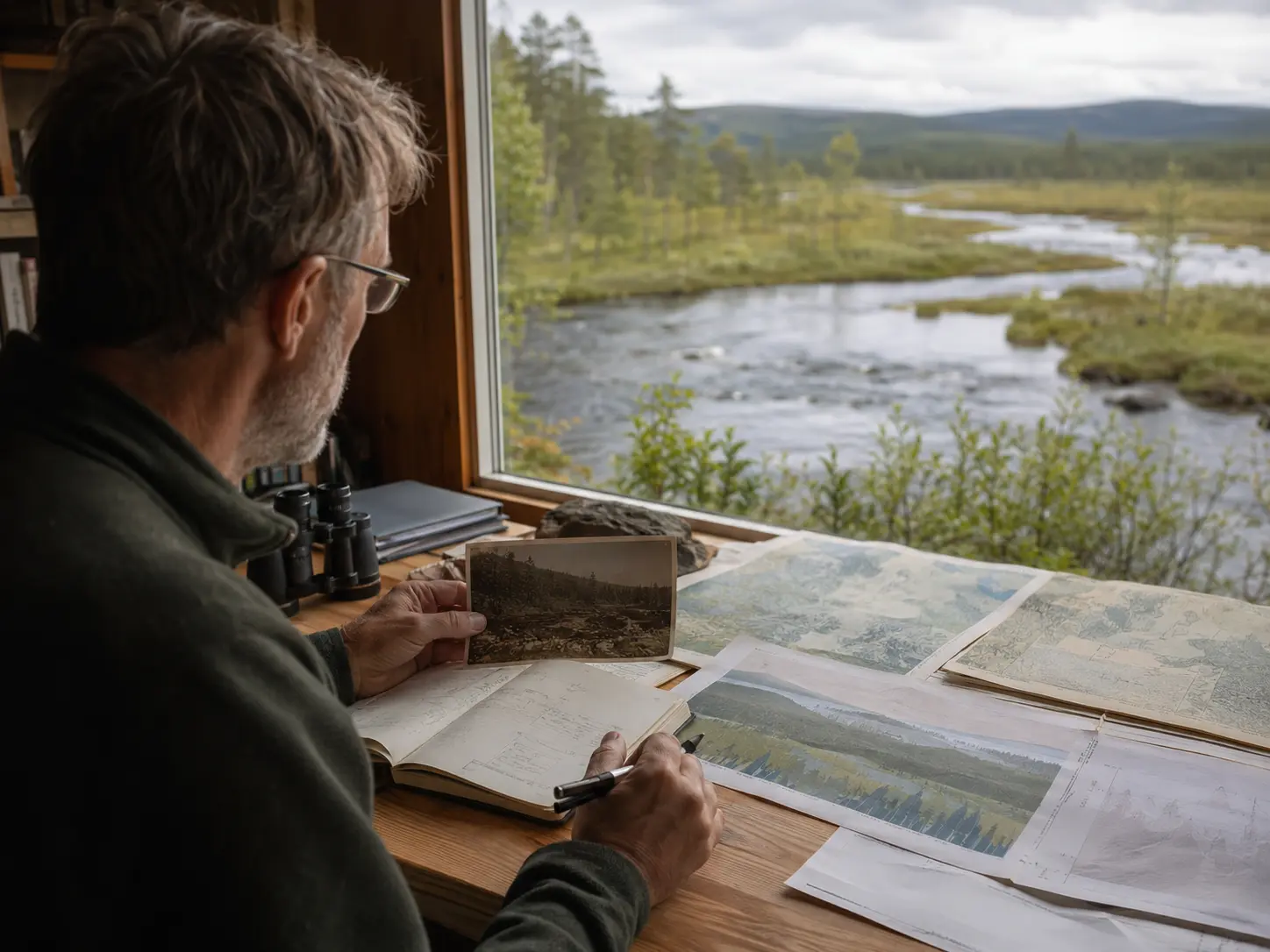
Field notes, maps and an earlier photograph being compared with a present-day landscape

Evidence and meaning

Signals and Context

Carefully explained articles that connect a question or observation with identifiable research, wider patterns and stated limitations.

Understand weak signals

Our editorial method

From observation to responsible publication

A meaningful story begins with listening, but it becomes trustworthy through careful separation, context and review.

01

Listen or investigate

We begin with a person’s experience, a documented observation or a clearly defined environmental question.

02

Separate observation from interpretation

What was noticed is kept distinct from what it might mean. Assumptions are never presented as established facts.

03

Check the context

Relevant research, public information and earlier records are used to explain what is known—and what is not.

04

Protect people and nature

Consent, privacy and sensitive locations are considered before any material is prepared for publication.

05

Human editorial review

A person reviews the structure, wording, claims and limitations before an article is made public.

06

Publish with sources and limitations

Identifiable sources are shown where research-based claims are made, and uncertainty is stated openly.

An individual observation can be valuable without being proof. Our role is to preserve what was noticed and explain its context responsibly.

Technology with boundaries

How artificial intelligence may support our work

Artificial intelligence may support translation, language editing, information organisation and the creation of clearly labelled illustrations.

AI does not independently select observations, establish ecological truth or publish articles. Research-based claims are checked against identifiable sources, and final editorial responsibility remains with a person.

Human responsibility remains central

  • A person decides what is published.
  • Research-based claims require identifiable sources.
  • AI-assisted illustrations are labelled transparently.
  • Uncertainty and limitations are not removed for effect.

Stories from Nature

Notice more. Understand carefully. Share responsibly.

Nature does not always announce that something has changed. Sometimes the first sign is a memory, a missing sound or a familiar season that no longer feels the same. Stories from Nature helps preserve those signals and place them in responsible context.