
SIGNANATURA OBSERVATION SERVICE
A place for observations that might otherwise be lost.
People who know a place often notice its changes before those changes become structured data. The SignaNatura Observation Service gives anyone a simple way to document what they noticed—in their own words, without needing to prove the cause.
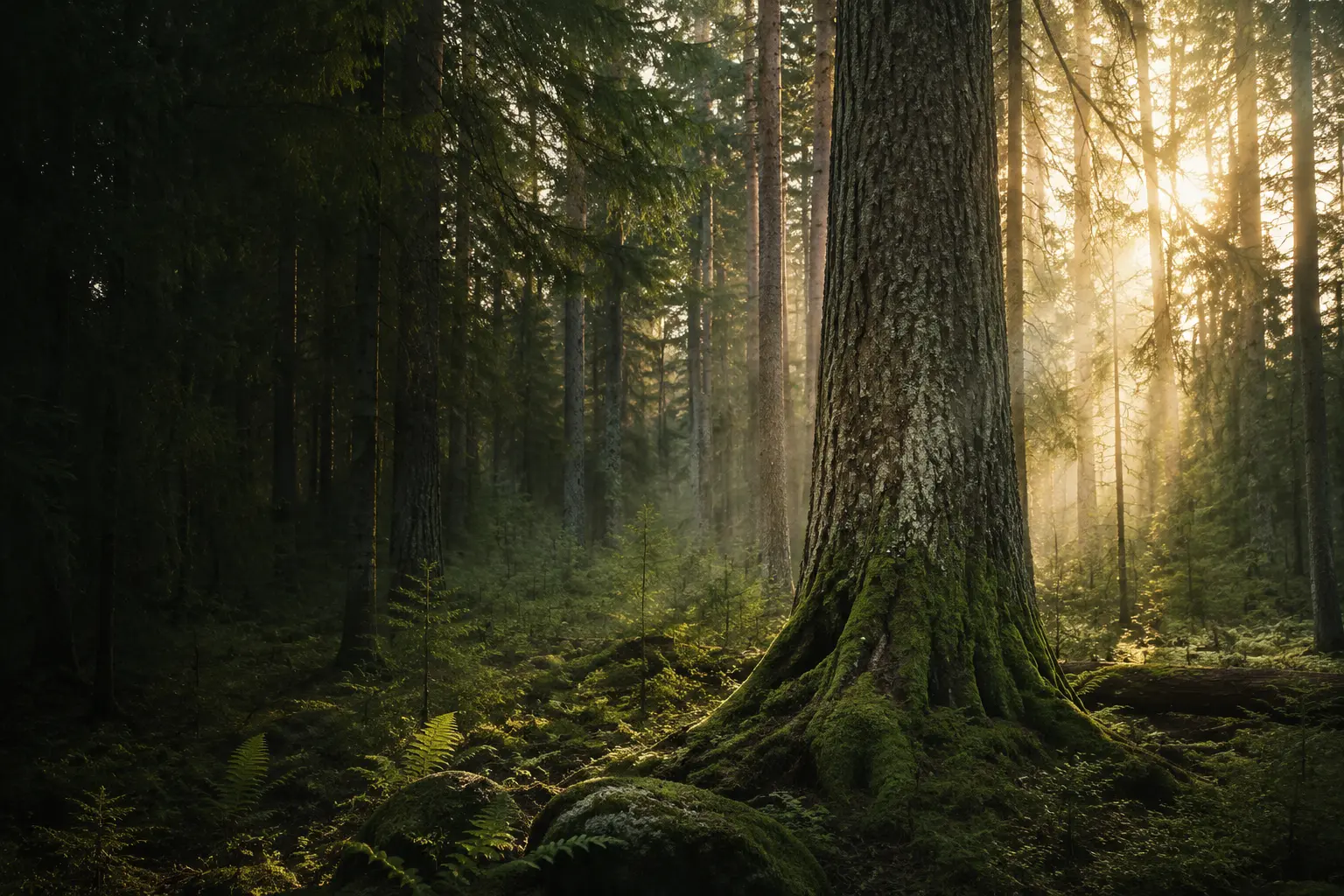
Why the service was developed
Important observations often disappear with the moment.
A change may be noticed by someone who has walked the same path for years, watched birds return each spring or followed the water level of a familiar wetland. Yet much of this local environmental memory remains in private notes, conversations or memory—and may eventually be lost.
The Observation Service was developed to give that knowledge a responsible place to be recorded. It asks what happened, when and where it was noticed, and how it differed from what the observer considers normal.
The observer is not asked to diagnose the cause or make a scientific claim. The task is simpler and more honest: describe what you noticed as clearly as you can.
How the existing service works
From a personal observation to shared environmental memory.
The service keeps the process simple while protecting people, locations and the meaning of the original observation.
Notice
Something in nature appears new, unusual, missing, earlier, later or different from what you normally expect.
Describe
Record what you noticed, when and where it happened, how long it lasted and why it felt different from before.
Review & protect
A person reviews the submission before publication. Personal information stays private and sensitive locations are protected.
Publish & explore
Approved observations become publicly explorable and can be considered alongside other observations over time and place.
What can be documented?
Report a change—not a diagnosis.
The form is designed for real-world observations in many parts of nature. If your observation does not fit a category, you can still describe it under “Other”.
From individual observations to shared signals.
SignaNatura is developing a structured analysis method to help identify recurring weak signals within reviewed nature observations.
The aim is to compare observations across time and place, notice when similar changes are reported repeatedly, and highlight patterns that may deserve closer attention.
The method will not determine ecological truth, predict change with certainty or replace scientific monitoring. It is being developed as an early-attention tool—helping direct attention towards changes that may require further observation, open-data comparison or scientific investigation.
The method is currently under development. Its principles, limitations and use of artificial intelligence will be documented transparently before analytical results are published.
Trust requires clear limits
What we protect—and what review does not mean.
Trust is built by stating both what the service does and what it does not claim to do.
Human review before publication
Each submission is checked for relevance, clarity and protected information before it can be made public. Review supports responsible publication; it is not scientific validation of the observation or its possible cause.
Privacy and location protection
Providing a name or email address is optional. These details are not published. Exact locations are not made public automatically, and sensitive locations are generalized.
Observation is not proof
A single observation may raise an important question, but it does not by itself establish a wider environmental trend or explain why a change occurred.
People remain responsible
As the service develops, AI may support organisation, translation or comparison. It does not determine ecological truth or publish observations automatically. Human responsibility remains central.
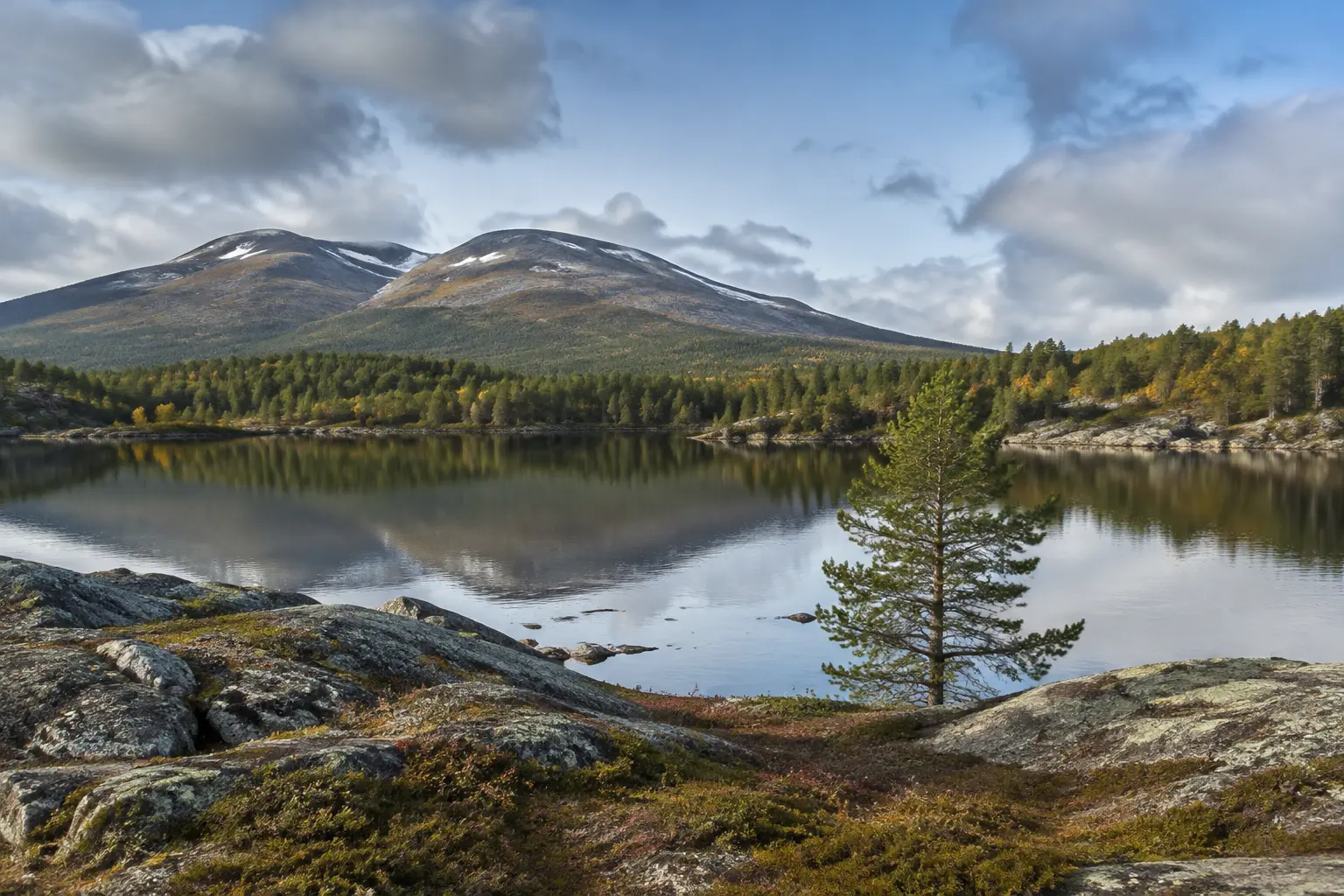
Named responsibility
A developing service with a person behind it.
SignaNatura is being developed in Finland by Simo Rönkkö, a futures researcher and technology professional with more than 30 years of ICT experience—and a lifelong interest in nature and birds.
The Observation Service is part of a long-term effort to preserve local environmental memory and learn how carefully reviewed human observations can help direct attention to changes that deserve closer study.
Did you notice something different in nature?
Describe honestly what you noticed. You do not need to prove the cause or decide whether it is important—we will review the observation before publication.
Explore observations on the map →