
NATURE SIGNAL EXPEDITION · A FIELD DOCUMENTATION PROJECT
Before these memories disappear, we need to listen.
Across northern communities, people carry decades of knowledge about changing winters, waterways, forests, wildlife and seasons. Much of this environmental memory has never been formally recorded.
The Nature Signal Expedition is being developed to meet these people, document what they have witnessed and preserve their observations for future generations—carefully, respectfully and without turning personal memories into claims they cannot support.
Why the project is needed
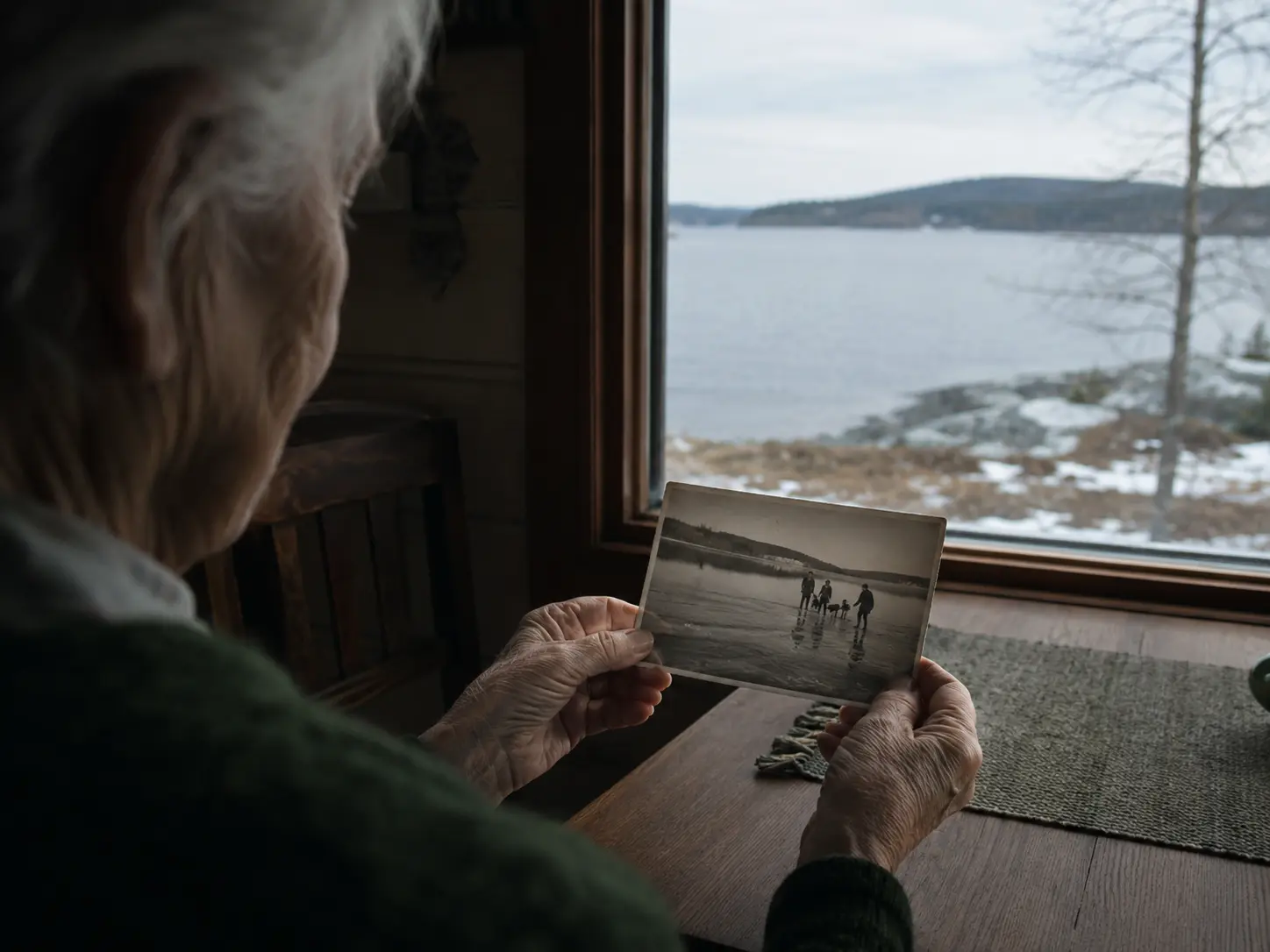
Environmental memory lives in people.
Scientific monitoring, satellite data and environmental records are essential. But they do not contain every change noticed by people who have lived close to the same forest, lake, river, coast or seasonal landscape for decades.
A fisher may remember when the ice became safe. A birdwatcher may remember when a familiar species returned each spring. A reindeer herder, farmer, forest worker or long-term resident may recognise changes that are difficult to see in a short dataset.
These memories are not replacements for scientific evidence. They are part of our environmental history—and once the people who carry them are gone, much of that knowledge may disappear with them.
The Expedition was created to preserve these observations before silence becomes the last signal.
Practical fieldwork
What the Expedition will do in the field.
Responsible documentation method
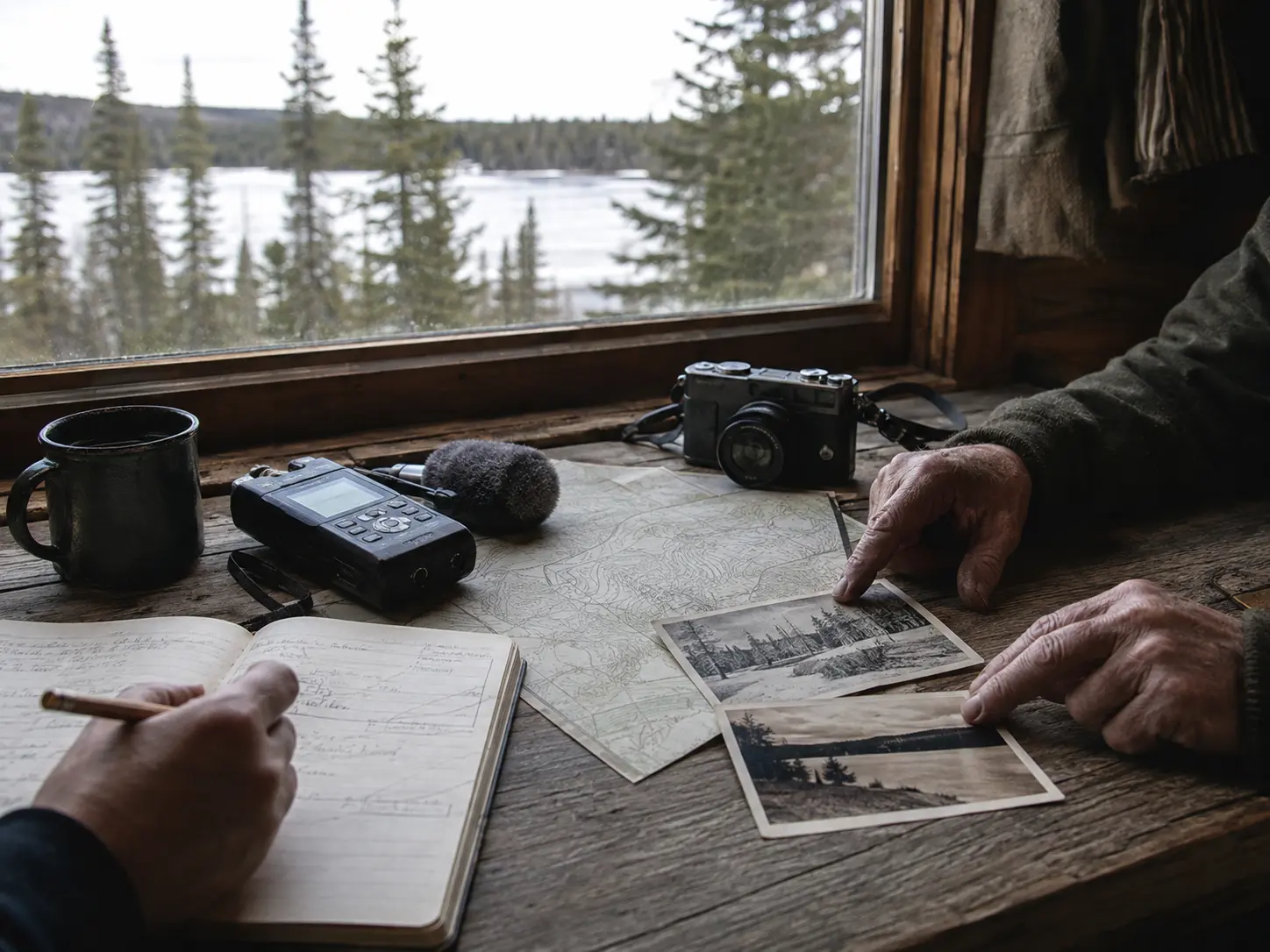
How a memory becomes a responsibly documented observation.
The process is designed to preserve the interviewee's own experience while adding the context, consent and protection required for responsible publication.
Listen
The interviewee describes changes they have personally observed and remembered.
Clarify
We ask when, where and under what circumstances the change was noticed.
Document
The account may be recorded as text, audio, photography or video with informed consent.
Protect
Personal information, culturally sensitive knowledge and vulnerable natural locations are handled carefully.
Review
The material is checked for clarity, context and responsible presentation before publication.
Publish with clear limits
Personal memory remains attributed testimony—not automatic scientific validation.
What we want to document
Changes remembered across seasons, species and places.
The interviews focus on direct experience and long relationships with nature—not on asking people to diagnose causes.
We are not only looking for dramatic events. A small change repeated across several places or remembered across several decades may become an important question for closer attention.
The planned first field phase
The Northern Nature Signal Journey.
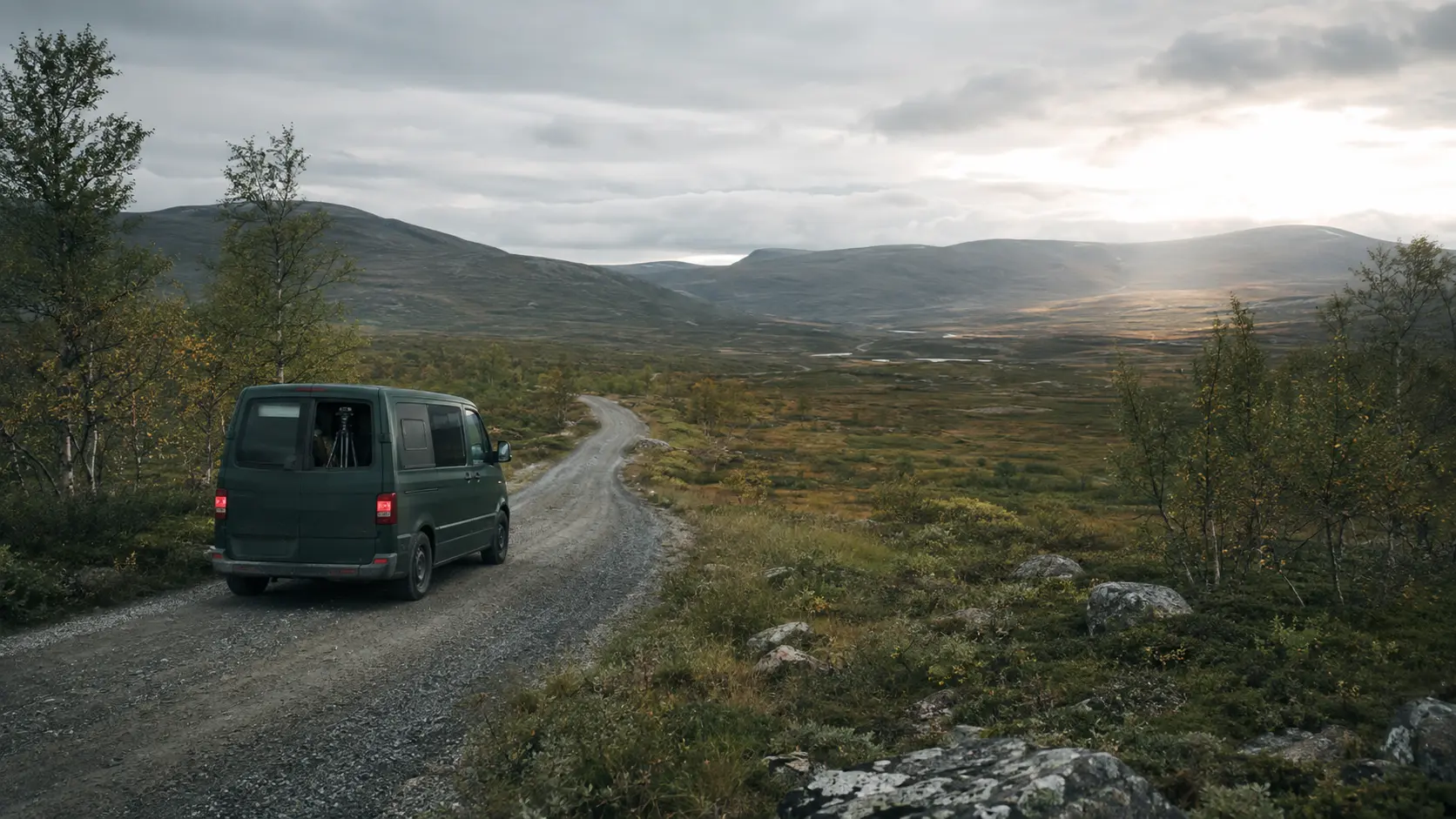
The initial route is designed to connect northern inland, forest, fell and coastal communities. Exact locations and timing will be confirmed only after the required resources and local arrangements are in place.
Intended pilot outputs
Clear targets—not claims of completed impact.
These are planned outputs for the first field phase. They are not presented as achievements until the work has been completed and published.
How the work connects
One service documents observations. The Expedition preserves the memory behind them.
The two parts of SignaNatura serve different purposes, but together they can preserve both a specific observation and the longer human relationship with the place where it was noticed.
Observation Service · already open
Anyone can submit an individual nature observation. Submissions are reviewed before publication, observer identity remains private and sensitive locations are protected.
Learn about the Observation Service →Nature Signal Expedition · in development
The Expedition records longer accounts from people whose knowledge may span years or decades. Suitable observations may, with permission, be added to the reviewed collection. They remain observations—not proof of a wider trend.
Helping recurring weak signals become visible.
As reviewed observations accumulate, SignaNatura is developing a structured method for noticing when similar changes are reported across different people, places or periods of time.
The method is intended to direct attention towards patterns that may deserve further observation, comparison with open environmental data or scientific investigation.
It will not determine ecological truth, rank the credibility of people or replace scientific monitoring. Its principles and limitations will be documented transparently before analytical results are published.
Who carries environmental memory?
People who have paid attention to the same places over time.
The Expedition seeks experience, not titles. A person does not need to be a scientist to remember how a familiar lake, forest, coastline or season has changed.
Tell us about the person, community or place. Contacting us does not create a commitment to participate or publish anything.
Responsible partnership
Partners enable the documentation—not the conclusions.
The first field phase requires practical resources, specialist knowledge and local connections. We are looking for organisations that understand the value of preserving environmental memory and are willing to support a transparent developing initiative.
Named responsibility
A developing project with a person behind it.
Nature Signal Expedition is being developed by Simo Rönkkö in Finland as part of SignaNatura.
Simo is a futures researcher and technology professional with more than 30 years of ICT experience and a lifelong interest in nature and birds. The project combines field documentation, human observation, responsible technology and futures-oriented thinking.
The project is currently in its development and partnership-building phase. Progress, methods and limitations will be communicated openly as the first field phase takes shape.
Somebody still remembers what this place used to be like.
Help us find them, listen carefully and preserve what they know before that memory disappears.
Explore the Observation Service →